


 SkilzHub Certification
 Adobe Certification
 Google Certification
 Meta Certification
 Semrush Certification
 Hubspot Academy Certification

Why Students Should Build a LinkedIn Profile Before Their First Job
A student finishes a social media campaign assignment, presents it in class and saves the files on a laptop. A few weeks later, another project takes its place. By the time internship applications begin, several useful pieces of work are sitting in different folders, with very little written about them.
This is one reason to start building a LinkedIn profile while studying. It gives students a place to introduce themselves professionally and explain the work they are learning to do.
There is no need to wait for a job title. A clear description of a project, supported by an honest account of your contribution, is a reasonable starting point.
You Already Have Something to Include
Many students leave their profiles almost empty because they have never worked for a company. Yet classroom assignments, volunteer responsibilities and independent projects can help explain their interests and abilities. LinkedIn’s guidance encourages students to include relevant class projects and describe what they have learned.
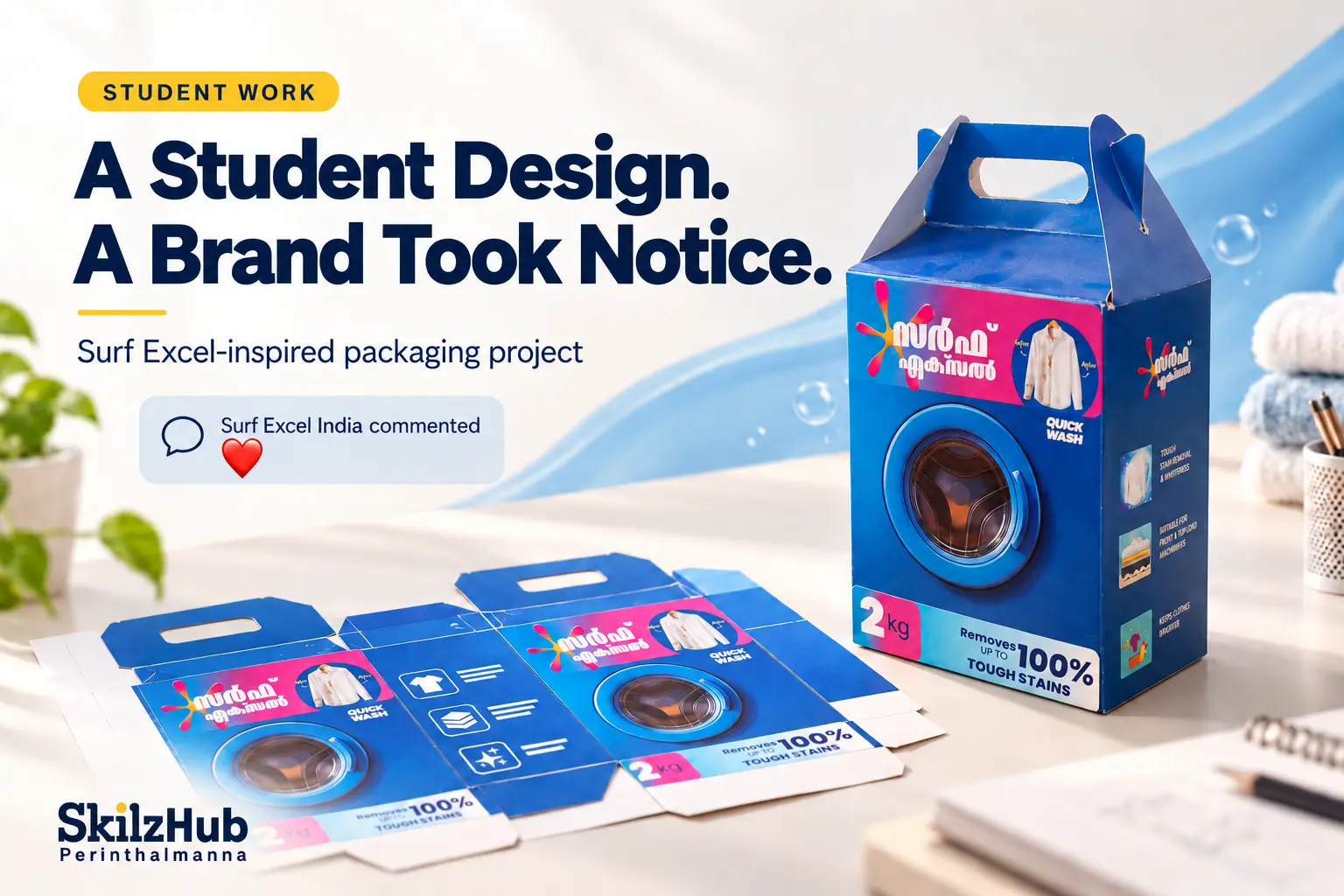
For a digital marketing student, this could be a keyword research exercise or a content calendar prepared for a sample business. A graphic design student could share a packaging concept or a visual identity assignment.
The explanation matters as much as the attachment.
Student work | What to do on LinkedIn |
|---|---|
Keyword research assignment | The business, search intent and reasons for selecting the keywords. |
Social media content plan | The intended audience, content choices and campaign objective. |
Logo or branding concept | The brief, visual decisions and how the design suits the audience. |
Website review | The issues identified and the improvements suggested. |
Group project | Your responsibilities and the part you contributed. |
If you designed a logo for a fictional café, say that it was a practice project. Describe the audience you had in mind and why you chose a particular typeface.
These details give someone viewing your profile a clearer understanding of your work than a list of software names alone.
Starting Early Makes Your Progress Easier to Record
Writing about a project is easier while the details are still fresh. You remember what the brief asked for, which approach failed and what changed after feedback.
Suppose your first attempt at an advertisement had a long headline. During the review, you realised that the main offer was difficult to find. You revised the copy and made the message clearer.
That is a useful learning experience to document. It shows how you respond to a problem and improve your work.
Over several months, these small records can help you prepare for interviews. When asked about a difficult assignment or a decision you made, you have specific examples to revisit.
A Profile Helps You Explain Your Career Interest
“Looking for opportunities” tells a reader very little about the kind of work you want.
A student interested in SEO can mention keyword research, website content and on-page optimisation. Someone pursuing graphic design can describe an interest in branding or editorial layouts, provided these reflect the work they are actually practising.
A simple introduction could read:
“I am studying digital marketing in Malappuram and developing my skills in keyword research and website content. My recent projects include a basic website review and a content plan for a local business.”
The wording is straightforward. It gives a reader enough information to understand where the student is starting.
Your interests can change as you learn. Update the profile when they do.
Job Descriptions Become More Useful While You Are Still Learning
Students often begin reading job descriptions only when they are ready to apply. Looking earlier gives them time to understand unfamiliar responsibilities.
An entry-level marketing role might mention reporting, campaign coordination or landing page reviews. A design vacancy could ask for typography skills, an organised portfolio and the ability to explain creative choices.
When reviewing vacancies, pay attention to:
Responsibilities that appear across several entry-level roles.
Skills you have already practised through assignments.
Areas where you need more practice or trainer guidance.
Portfolio requirements and examples employers ask to see.
There is no need to learn every tool mentioned in every listing. Focus first on the responsibilities that appear repeatedly in the roles you want to explore.
For students taking a digital marketing course in Malappuram, this habit can make classroom learning more purposeful. A reporting exercise becomes easier to appreciate when they understand where it fits into a working day.
Professional Connections Can Begin with People You Know
Your first connections can be classmates, trainers and people you meet during workshops or agency visits.
A useful connection often begins with a shared experience. After attending a session, you could send the speaker a short message mentioning one point you found helpful. If you have a question, keep it specific.
For example, asking how an agency presents campaign results to a small business owner gives the other person something clear to respond to.
Some conversations will continue. Others will end after a brief reply. Both are normal. Give professional relationships time to develop without turning every introduction into a request for employment.
Share Work When You Have Something to Explain
Students sometimes feel they need to post every day to maintain a professional presence. A more manageable approach is to share completed work or an observation that has substance.
Useful subjects include:
A project and the thinking behind it.
A revision made after trainer feedback.
A practical lesson from a workshop.
A problem encountered during an assignment and how it was resolved.
Keep the description accurate. A campaign plan is different from a campaign that has run with a real budget. A design concept is different from work commissioned by a client.
Before publishing work involving a business, get permission to share it. Remove private information and give credit to teammates where it is due.
Make Your Profile Easy to Understand
Before applying for an internship, read your profile from the perspective of someone meeting you for the first time.
A quick review should answer these questions:
Is it clear what you are studying and which roles interest you?
Do your project descriptions explain your contribution?
Are your course details and qualifications accurate?
Do your portfolio links open correctly?
Can you discuss each listed skill with a practical example?
Check spelling and remove skills you cannot yet discuss confidently. A short, accurate profile is easier to assess than one filled with broad claims.
At SkilzHub Malappuram, students preparing for digital marketing and graphic design careers can use their practical assignments as material for building this professional introduction. Each completed project offers a chance to explain a skill more clearly.
A LinkedIn profile will not guarantee a job. Building one during your studies does, however, give you time to collect your work, describe it thoughtfully and become more comfortable introducing yourself before the first interview.



Comments (0)
Please login to leave a comment.
No comments yet. Be the first to comment!